
.webp?width=158&height=85&name=New-logo-Ourgreen%20(1).webp)

Account Based Marketing (ABM) and modern Go to Market (GTM) strategies rely on four essential components: the Ideal Customer Profile (ICP), Buyer Personas, Target Accounts, and Buying Groups. These concepts help businesses identify the right companies, understand the right people, and engage the entire purchasing committee inside an organization.
This guide explains each concept, clarifies the differences, and shows how to activate them inside HubSpot to improve both marketing and sales performance.
I. The Four Core Concepts in ABM and GTM
These four concepts form a hierarchy that begins with the ideal company, then the ideal individual, then a specific named account, and finally the group of stakeholders involved in the decision making process

1. Ideal Customer Profile (ICP)
The Ideal Customer Profile describes the best possible company for your product or service. It defines the organizations that will benefit the most from your solution and provide the highest lifetime value.
The ICP focuses entirely on the company level and usually includes the following data:
Firmographics
-
Employee count
-
Annual revenue or budget
-
Industry or vertical
-
Company location
Technographics
-
Tools and software currently in use
-
Technology maturity level
Qualitative Factors
-
Core pain points
-
Growth stage
-
Strategic urgency of the problem you solve
Your ICP is the first pre qualification filter. If a company does not match the ICP, it is usually not worth pursuing.
2. Buyer Persona
The Buyer Persona defines the ideal individual involved in the purchasing process. It is a semi fictional profile that represents the real people who evaluate solutions, influence decisions, and sign contracts.
A Buyer Persona includes:
-
Role, job title, and responsibilities
-
Goals and KPIs
-
Pain points and challenges
-
Motivations and behavior
-
Preferred communication channels
-
Typical objections
You can also create Negative Buyer Personas that identify people who are not a good fit for your product.
3. Target Account
A Target Account is a specific named company selected because it matches your ICP criteria. These accounts represent high value opportunities for your sales and marketing teams.
In HubSpot, a company becomes a Target Account when the “Target Account” property is set to True.
4. Buying Group
The Buying Group is the collection of people inside a Target Account who influence or decide the purchase. In B2B sales, a typical deal can involve seven to eleven stakeholders.
Common buying group roles include:
-
Champion
-
Economic Buyer
-
Technical Buyer
-
End User
-
Blocker
Understanding the Buying Group helps sales teams build multi threaded relationships and navigate complex deals more effectively.

II. Key Differences Explained in Simple Terms
| Concept | Focus | Data Level | Core Purpose |
|---|---|---|---|
| ICP | Ideal company | Firmographics and technographics | Determines which companies to target |
| Buyer Persona | Ideal individual | Motivations, behaviors, pain points | Personalizes content and communication |
| Target Account | Specific company | Named account | Prioritizes revenue potential |
| Buying Group | Stakeholder group | Roles and influence | Builds consensus and accelerates deals |
The ICP helps you select the right Target Accounts. The Buyer Personas help you understand the individuals inside those accounts. The Buying Group helps you engage every stakeholder who influences the deal.

III. How to Use These Concepts in HubSpot
HubSpot includes specialized tools, properties, and dashboards that help you operationalize ABM. These tools are available in Marketing Hub Professional or Enterprise and Sales Hub Professional or Enterprise.
1. Using ICP and Target Accounts in HubSpot
Key Features
| HubSpot Tool or Property | How It Helps |
|---|---|
| Target Account Property | Marks a company as a priority account |
| ICP Tier Property | Categorizes companies into Tier 1, Tier 2, or Tier 3 |
| Workflows | Automates Target Account assignment and ICP tiering |
| Target Accounts Home | Displays engagement, activity, and next steps |
| ABM Dashboards | Tracks account performance, deal stage, and revenue |
Example automation:
If revenue is greater than 5 million and employee count is between 50 and 500, HubSpot can automatically assign the company as Tier 1 and set it as a Target Account.
2. Using Buyer Personas in HubSpot
Tools and Use Cases
| HubSpot Tool | Purpose |
|---|---|
| Persona Property | Stores persona information for each contact |
| Make My Persona Tool | Helps create clean persona profiles |
| Lists and Smart Content | Personalizes email and website content |
| Sequences | Allows personalized one to one sales outreach |
Once personas are assigned, your team can deliver more relevant emails, messaging, offers, and follow up sequences.

3. Using Buying Groups in HubSpot
Core Features
| HubSpot Tool | What It Does |
|---|---|
| Buying Role Property | Identifies roles such as Decision Maker or Champion |
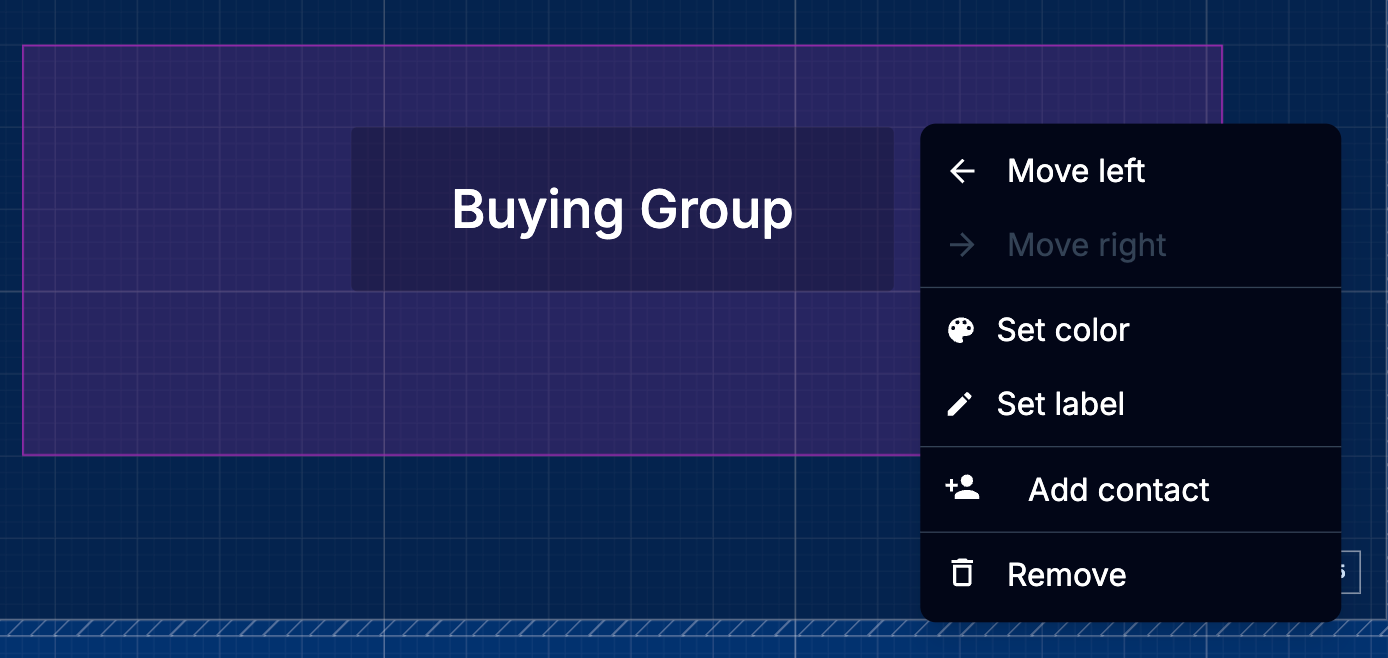
| Buying Groups Tool | Visualizes all stakeholders involved in a deal |
| Engagement Filters | Reveals gaps in communication or stalled roles |
Buying Group insights help sales teams avoid single threaded deals and strengthen relationships across the entire organization.
Conclusion
When combined, ICPs, Buyer Personas, Target Accounts, and Buying Groups create a unified ABM framework. HubSpot provides all the tools needed to define these components, automate them, and activate them through personalized marketing and sales outreach.
This approach ensures that your team focuses on the right companies, connects with the right people, and engages every stakeholder involved in the buying process.
Contact Us
Phone: 024-609-599
Email: contact@ourgreen.co.th
Website: ourgreenfish.com




No Comments