

Have you ever wondered why traditional point-based loyalty systems no longer seem to work as well as they used to? Customers sign up for memberships in droves, only to leave points lingering unredeemed in the system—or worse, completely forget they ever joined your program in the first place.
In an era where conventional point-based systems feel repetitive and induce "Loyalty Fatigue," modern businesses must look beyond treating membership programs as mere transactional tools. Instead, they are pivoting to Gamification Loyalty—applying game elements and mechanics to loyalty programs to transform brand-customer relationships from purely transactional exchanges into enjoyable, ongoing engagement.

What is Gamification Loyalty, and Why is It a Game-Changer?
Gamification Loyalty isn't about building a full-fledged video game for customers to play. Rather, it leverages the same psychological drivers that keep people hooked on games—such as challenges, a sense of achievement, progress tracking, and social recognition—to design compelling member experiences.
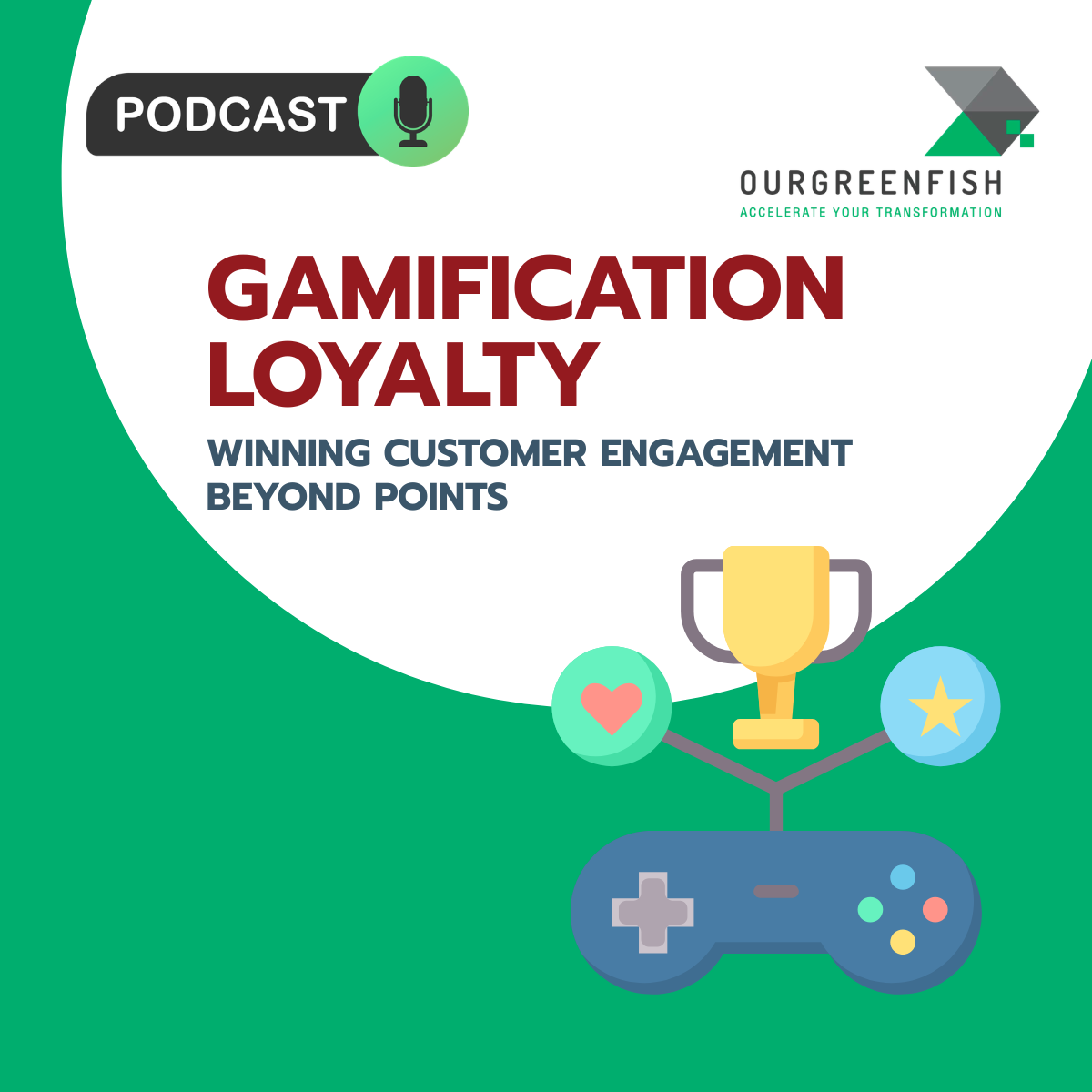
According to the Loyalty Program Trends 2026 report by Open Loyalty, gamification and experience-based rewards have surged to the top of strategic trends, with leading global brands prioritizing and increasing their investment in these areas over the past three years.
Meanwhile, an analysis by Braze (April 2026) highlights that gamification is far more than mere entertainment. It directly drives customer engagement, retention, and cross-channel engagement, while integrating with AI personalization to deliver tailored experiences for individual customers.

Shifting from "Spend & Earn" to Rewarding Engagement
Traditional loyalty models heavily rely on the "Spend & Earn" concept (spend money to earn points), meaning customers interact with the brand only when making a purchase. If your products have a repeat purchase cycle of every 3–6 months, this creates a "relationship void" during the gaps, leaving customers vulnerable to competitors.
Gamification Loyalty flips this script by rewarding non-transactional engagement behaviors, such as:
- Reviews: Earning points or rewards by writing product reviews with real photos attached.
- Referrals: Unlocking perks when referring friends to sign up or make their first purchase.
- Social & Missions: Receiving rewards for sharing content, taking surveys, or participating in brand activities.
Rewarding these behaviors grants brands valuable User-Generated Content (UGC), new customers, and deep consumer insights, while making customers feel valued even on days they don't check out.

4 Popular Gamification Mechanics That Truly Drive Behavior
Effective Gamification Loyalty isn't just slapping a "Spin the Wheel" pop-up on your app home screen; it requires selecting mechanics aligned with human psychology:
- Challenges & Missions (Weekly/Monthly Quests): Designing quests like "Shop across 3 product categories this month to unlock an exclusive discount coupon." This subtly encourages cross-category exploration.
- Streaks & Daily Check-ins (Consistency Rewards): Similar to logging into an app 7 days in a row to claim a big bonus, this mechanic builds daily habits, encouraging users to open your app every single day.
- Progress Bars: According to Open Loyalty, 81% of consumers actively pay attention to visual progress bars. Human psychology is hardwired to seek completion—seeing that a customer is just 10% away from reaching the next tier creates an immediate urge to make that extra purchase to fill the bar.
- Badges & Status Tiers: Badges like "Top Reviewer" or "Eco Hero" serve as symbols of prestige or expertise. They deliver emotional value that money can't buy, raising switching costs and making customers hesitant to leave for competitors.

Creating Reasons to Stay Connected Between Purchases (Between-Purchase Engagement)
A major challenge for business owners is staying top-of-mind during intervals when customers aren't actively shopping.
Gamification Loyalty bridges this gap. Consider a furniture or home appliance brand where repeat purchase cycles span a year or longer. Without gamification, a brand app is easily deleted or forgotten.
However, incorporating interactive home-decor quizzes, daily check-in points for lifestyle rewards, or monthly challenges keeps customers engaging regularly. When the time comes to make another major purchase, the brand that's already part of their daily smartphone routine will naturally be their first choice.

The Bottom Line: Gamification Must Drive Business Outcomes, Not Just Fun
A critical pitfall business owners face is jumping on the gamification trend without tying it to business metrics. Games might be fun and attract lots of players, but sales remain flat—or users claim rewards and disappear immediately.
Successful Gamification Loyalty starts with clear business objectives, mapping game mechanics directly to targeted actions:
- Objective: Increase Average Order Value (AOV)
- Mechanic: Use a progress bar showing "Spend $10 more to unlock a 15% discount coupon."
- Objective: Reduce Churn Rate
- Mechanic: Implement streak or mission systems encouraging core feature usage within the first 14 days post-signup.
- Objective: Collect behavioral data for AI Personalization
- Mechanic: Deploy interactive quizzes or gamified surveys offering reward points in exchange for preference data.
When game mechanics align seamlessly with target behaviors, gamification transforms from a marketing expense into a measurable revenue and retention driver with clear ROI.
Relying solely on discounts to build customer loyalty is increasingly ineffective. Brands that execute Gamification Loyalty strategically—turning routine interactions into engaging, rewarding experiences—will capture both customer hearts and wallets over the long term.

References:
- Open Loyalty. (2026). Loyalty Program Trends 2026 report. Retrieved from https://www.openloyalty.io/resources/loyalty-program-trends
- Braze. (2026). Gamification Marketing: How to Drive Engagement and Loyalty. Retrieved from https://www.braze.com/resources/articles/gamification-marketing-how-to
Read more articles: Deep Dive into Strategies to Reclaim Profits from Marketplaces Using Loyalty Systems (เจาะลึกกลยุทธ์ทวงคืนกำไรจาก MARKETPLACE ด้วยระบบ LOYALTY)

Contact us
Tel : 024-609-599
E-mail : contact@ourgreen.co.th
Website : ourgreenfish.com




No Comments