.webp?width=158&height=85&name=New-logo-Ourgreen%20(1).webp)

Consumer Behavior Is Changing in 2026
Consumer behavior in 2026 is becoming increasingly complex and diverse. Businesses must closely monitor consumer trends, as customers are rapidly shifting their expectations and decision-making processes.
Consumers are now clearly divided into two segments, driven by economic conditions:
- Value-driven consumers who seek affordability and cost efficiency (trade down)
- Premium consumers who are willing to pay more for superior experiences (trade up)
This polarization requires brands to adapt their strategies to serve both groups simultaneously—for example, offering value-oriented products at accessible prices alongside premium products or services for high-spending customers.
At the same time, modern consumers place strong emphasis on convenience and speed. They expect to discover products, compare options, and complete purchases seamlessly within a single platform. As a result, many social media platforms have evolved into fully integrated commerce channels where content consumption and shopping happen in one place.
Another significant influence on purchasing decisions is Environmental, Social, and Governance (ESG) considerations. Today’s consumers increasingly support brands that demonstrate ethical practices and sustainability. According to PwC, consumers are willing to pay nearly 10% more for products that are environmentally and socially responsible. Businesses that take sustainability seriously—and communicate it authentically—gain a competitive advantage in building trust and long-term customer loyalty.
Technology on the Rise: AI Is Transforming Marketing Automation
Artificial Intelligence (AI) has become the core of Digital Marketing in 2026. With over one billion monthly users worldwide, AI is now deeply embedded in everyday consumer life.

In marketing, AI increasingly influences purchasing decisions—from intelligent search systems that deliver instant, summarized answers to personalized product recommendation engines. Major search engines are also shifting toward AI-driven responses that provide a single, context-rich answer compiled from multiple sources, rather than traditional link-based results. This shift has given rise to Answer Engine Optimization (AEO) as a critical extension of SEO. Businesses should therefore structure their brand information clearly to ensure AI systems can accurately surface and recommend their content.
Beyond search, AI supports marketers across multiple functions, including generative content creation, large-scale data analysis, and automated customer chat responses. A key emerging trend is AI Agents, or agentic AI systems capable of executing tasks autonomously in structured steps—ushering in an era of semi-automated marketing.
Examples include AI-generated multi-variant campaigns and real-time marketing performance reporting. According to Gartner, CMOs globally agree that AI-driven automation and system integration rank among the top two out of five strategies that significantly improve marketing efficiency.
For business owners, adopting AI and automation tools—such as chatbots, marketing automation platforms, and AI-powered analytics—is essential to save time, improve accuracy, and allow teams to focus on strategic initiatives.
Using Data and MarTech to Deliver Superior Customer Experiences (CDP, CRM, Loyalty)
As consumers move seamlessly between online and offline channels, customer data has become one of the most valuable marketing assets. Effectively collecting and leveraging this data enables deeper customer understanding and more precise marketing execution.
A defining trend in 2026 is the golden age of data. With major platforms restricting user data access and phasing out third-party cookies, businesses must increasingly rely on first-party and zero-party data—information customers willingly share. Investing in a Customer Data Platform (CDP) allows businesses to unify data from multiple sources into a single customer view, covering website behavior, purchase history, and campaign engagement.

CDPs can integrate with analytics tools, data warehouses, advertising platforms, email marketing systems, behavioral tracking tools, customer success platforms, and CRM systems. For businesses already using these tools, implementing a CDP significantly enhances data flow and decision-making efficiency.
Meanwhile, CRM systems have evolved beyond simple contact databases into centralized platforms for managing customer relationships and experiences holistically. Businesses should connect CRM systems across all customer touchpoints—online channels, physical stores, and messaging apps like LINE—to achieve a true 360-degree customer view.

In Thailand, for example, LINE CRM solutions integrated with LINE Official Accounts enable highly personalized promotions and targeted broadcasts. Research indicates that for solutions deeply integrated with local platforms like LINE (e.g., chat commerce and B2C CRM), Thai MarTech providers are often preferred over global vendors due to stronger local relevance. Businesses targeting Thai consumers should therefore consider CRM solutions specifically designed for the Thai market.
Loyalty Programs and Customer Retention Matter More Than Ever
In 2026, loyalty programs and customer retention strategies become increasingly critical for two key reasons:
- Modern marketing must extend beyond the point of sale to design meaningful post-purchase journeys, fostering long-term relationships through continuous engagement—an always-on relationship marketing approach.
- Retaining existing customers is more cost-effective than acquiring new ones and generates stronger word-of-mouth advocacy. A strong loyalty program enables businesses to collect valuable zero-party data (such as preferences and self-reported profiles), personalize offers more accurately, and increase customer lifetime value.
Businesses should adopt MarTech tools that support loyalty initiatives, such as point systems, membership platforms, or CRM-integrated loyalty applications, to manage the entire customer lifecycle effectively—from acquisition to long-term retention.
Social Commerce and Emerging Marketing Channels
Social Commerce stands out as one of the most prominent Digital Marketing Trends of 2026. Consumers no longer distinguish between content platforms and shopping platforms—everything can happen within a single social ecosystem, from ad exposure to final purchase.
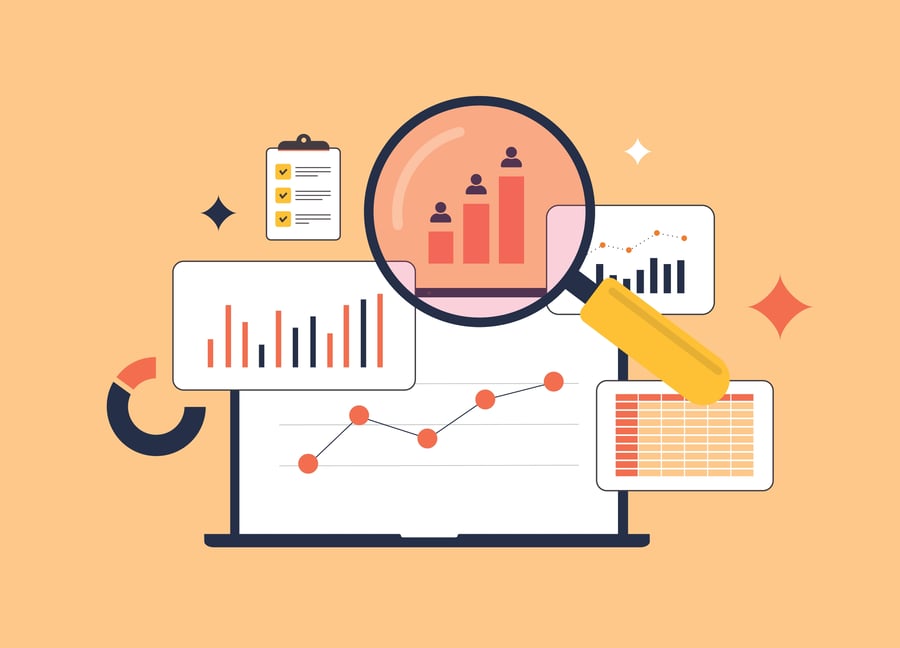
Brands are therefore accelerating the transformation of social media into end-to-end commerce channels. Features like live commerce and in-platform stores have become core sales tools, with many brands hosting live selling sessions weekly or even daily—creating an always-on sales channel.
This trend requires brands to design content and commerce systems that support real-time purchasing decisions, including product reviews, influencer endorsements, chatbot-assisted inquiries, seamless checkout, and post-sale service—all within one ecosystem.
In Thailand, TikTok has emerged as a critical platform. Recent reports show that Thai advertising agencies rank TikTok as the most influential platform for future marketing, driven by the popularity of vertical short-form video and “cart tagging” via TikTok Live and TikTok Shop. Consequently, TikTok marketing strategies—viral content creation, influencer collaborations, and TikTok Shop advertising—represent a major growth opportunity in 2026.
Beyond TikTok, emerging platforms may include niche social networks or new marketplaces designed around AI-powered chat commerce or in-app shopping via messaging platforms. Businesses should experiment with these new channels while implementing omnichannel marketing strategies that connect online and offline experiences seamlessly.
Opportunities and Strategic Adaptation for Business Owners
With a clear view of Digital Marketing Trends 2026, the critical question becomes: Is your business ready to adapt? Change always creates opportunities for those who prepare early. Business owners should reassess and refine their 2026 strategies by focusing on the following:
Adopt Technology Strategically
Invest in MarTech tools aligned with your business needs—CRM for customer data, CDP for cross-channel analytics, and marketing automation to improve efficiency. Equally important are team training and system integration. On average, businesses increased their MarTech usage to 19–20% of available tools in 2025, a 40–50% year-over-year increase, with further growth expected in 2026. Seamless data integration is no longer optional.
Understand Customers and Deliver Meaningful Experiences
Use data ethically to gain deep customer insights, segment audiences by behavior and needs, and personalize messaging accordingly. Demonstrating commitment to shared values—such as sustainability, social responsibility, and genuine service—strengthens brand loyalty.
Diversify and Integrate Marketing Channels
2026 is not the time to rely on a single channel. Strong businesses adopt omnichannel strategies that leverage each platform’s strengths, unify data across touchpoints, and continuously test new channels with controlled budgets before scaling.
Partner with Experts
For many SMEs, transitioning to a fully digital-first model can be challenging. Partnering with MarTech and digital marketing experts accelerates learning and execution. Ourgreenfish is an example of a MarTech solutions provider that supports Thai businesses through HubSpot CRM implementation, LINE CRM integration, loyalty program design, and AI-powered automation. By combining technology with strategic marketing insight, Ourgreenfish helps businesses achieve sustainable, data-driven growth
Ultimately, Digital Marketing Trends 2026 are not about adopting everything at once—but about understanding the direction of change. Businesses that learn early and adapt strategically gain a lasting competitive advantage. By selecting trends that align with your business context and implementing them step by step, you can unlock new opportunities and stay ahead in 2026.
At the heart of marketing remains the same principle: deep customer understanding and value creation. Technology and emerging channels are simply tools that enable brands to deliver that value more effectively. When customer-centric strategy and digital technology work in harmony, 2026 can become a breakthrough year for sustainable growth.
References :
- Bank Sitthinunt. (2025). 8 Digital Marketing Trends 2026. Retrieved from https://contentshifu.com/blog/digital-marketing-trends/
- Wisesight. (2025). Digital Marketing Trend 2026: From Communication to Market Intelligence. Retrieved from https://wisesight.com/th/articles/digital-marketing-trend/
- True Digital Academy. (2025). Online Marketing Trends 2026 for SMEs. Retrieved from https://www.truedigitalacademy.com/en/blog/online-marketing-trends-2026
- Chaffey, D. (2025). RACE Digital Marketing Trends 2026. Retrieved from https://www.smartinsights.com/digital-marketing-strategy/digital-marketing-trends-2026/
Read more articles : FAQs about Marketing Trends 2026 that marketers need to know. (FAQ เกี่ยวกับ Marketing Trends 2026 ที่นักการตลาดต้องรู้)

ติดต่อเรา
โทร: +66 2-0268918
อีเมล: contact@ourgreen.co.th
เว็บไซต์: ourgreenfish.com




.png)
.png)


No Comments